Will Invisible Braces Cause Pain?
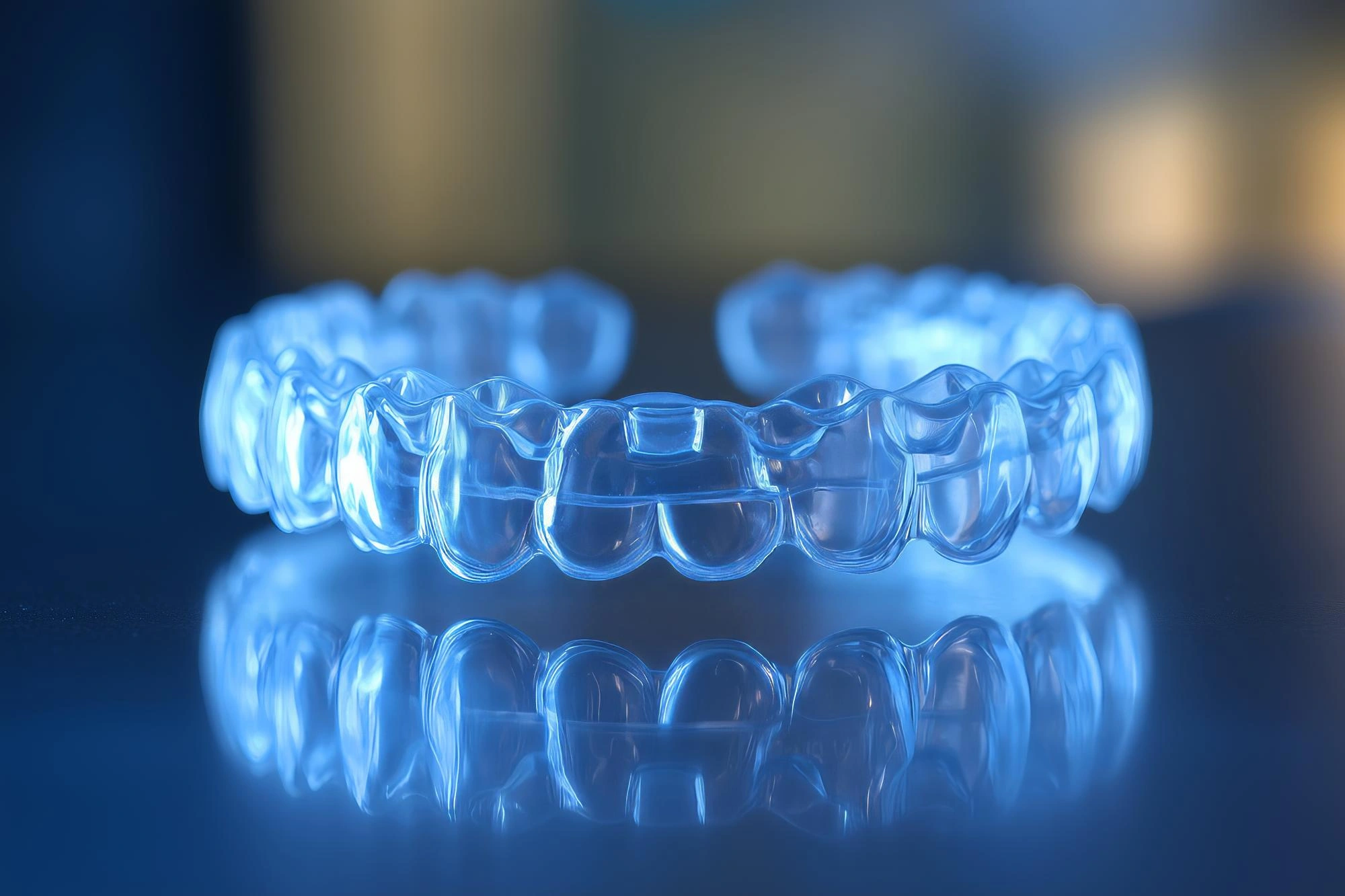
Invisible braces, or clear aligners, have emerged as a popular solution for correcting misaligned teeth without the use of metal wires and brackets. Their near-invisible appearance and convenience have attracted individuals seeking a more discreet orthodontic experience. As effective as they are in gradually moving teeth into proper alignment, one of the most common questions that arises is whether they cause pain. Like any dental or orthodontic treatment, invisible braces come with their share of sensations and adjustments, especially during the initial phase.
The Nature of Discomfort During the Initial Phase
When clear aligners are first worn, the mouth and teeth begin a process of adaptation. Most individuals experience a sensation of tightness or pressure during the first few days. This feeling is a direct result of the aligners exerting gentle, consistent force on the teeth to guide them into a new position. While the sensation is not typically described as sharp pain, it can be uncomfortable, especially when the treatment begins or when transitioning to a new set of aligners every one to two weeks.
This discomfort is often short-lived. As the mouth adjusts and the teeth begin to shift, the pressure typically decreases. Over time, the body becomes familiar with the aligners, and subsequent changes in trays may cause less noticeable discomfort. In this sense, any initial soreness should be seen as a normal and expected part of the orthodontic process rather than a cause for concern.
Understanding the Mechanism Behind Tooth Movement
Invisible braces rely on a precise and customized treatment plan that involves a series of aligner trays. Each set is designed to make slight adjustments to the position of the teeth, gradually moving them toward the desired alignment. This process involves mechanical pressure on the periodontal ligament, which surrounds the tooth roots. The controlled force applied by the aligners signals the bone around the teeth to reshape, allowing the teeth to move.
This biological response to pressure can cause mild soreness, similar to the feeling experienced after chewing something hard or following a dental cleaning. For some, this manifests as sensitivity when biting down or a dull ache in the jaw. These sensations generally subside within a few days of wearing the new tray. Mild over-the-counter pain relief may be sufficient during this adjustment period.
Soft Tissue Reactions and Oral Irritation
Although invisible braces eliminate the risk of metal wires poking the cheeks or causing cuts—an issue often associated with traditional braces—they are not entirely free from causing irritation. The edges of the aligners can occasionally rub against the gums, tongue, or inside of the lips, especially if the fit is slightly off or if the trays are newly manufactured.
This type of irritation is usually mild and temporary. In many cases, the rough edges smooth out after a few days of wear, or they can be adjusted by a dental professional. Using orthodontic wax, staying hydrated, and practicing gentle oral care can also help reduce soft tissue discomfort. If persistent issues arise, trimming the edge of the tray under professional guidance may be required.
Eating, Speaking, and Daily Function During Treatment
One of the biggest advantages of invisible braces is that they can be removed while eating, drinking, and brushing. This eliminates many of the restrictions associated with metal braces. However, when aligners are reinserted after meals, a brief return of pressure or tenderness may occur. This is especially true after consuming warm foods or beverages, which can temporarily soften the plastic material, allowing it to feel tighter when it returns to room temperature.
Speaking may also feel different in the first few days, as the tongue adjusts to the presence of the trays. While not painful, this change can feel awkward or unfamiliar. Most individuals quickly adapt and regain normal speech within a few days. These changes, although minor, are part of the body's natural response to a foreign object in the mouth and are not typically associated with true pain.
Factors That Can Increase Discomfort
Though invisible braces are generally well-tolerated, some factors can amplify discomfort during treatment. Individuals with low pain tolerance may perceive pressure more acutely. In addition, aligners that do not fit correctly or are worn inconsistently may contribute to uneven tooth movement, leading to increased soreness.
Grinding or clenching the teeth during sleep, known as bruxism, may also worsen discomfort during treatment. Aligners can protect against the effects of grinding to some extent, but existing sensitivity might be intensified. A dentist can assess these concerns and recommend solutions such as modified trays or a night guard if needed.
When to Seek Professional Advice
While mild soreness and pressure are expected, sharp pain, persistent swelling, bleeding, or signs of infection are not typical and should prompt an evaluation. Ill-fitting trays or unexpected tooth movement could indicate an issue with the treatment plan or aligner design. Prompt communication with the treating dentist or orthodontist helps ensure that minor problems are addressed early and do not disrupt progress.
Conclusion
Invisible braces provide a discreet and effective path to straighter teeth with minimal disruption to daily life. While temporary discomfort and pressure are common, they are typically signs that the treatment is working as intended. Most of these sensations fade as the mouth adapts to each new set of aligners. For those considering clear aligners, understanding the nature of this discomfort helps set realistic expectations. For expert guidance throughout the orthodontic journey, consulting a trusted specialist like Deepak Victor ensures a smoother and more comfortable experience.
Published on: August 29, 2025

Medically Reviewed by
Dr. Deepak Victor, Orthodontist
20+ Years Experience
MDS (Orthodontics & Dentofacial Orthopedics), Master's Program (Lingual Orthodontics)
Book Appointment