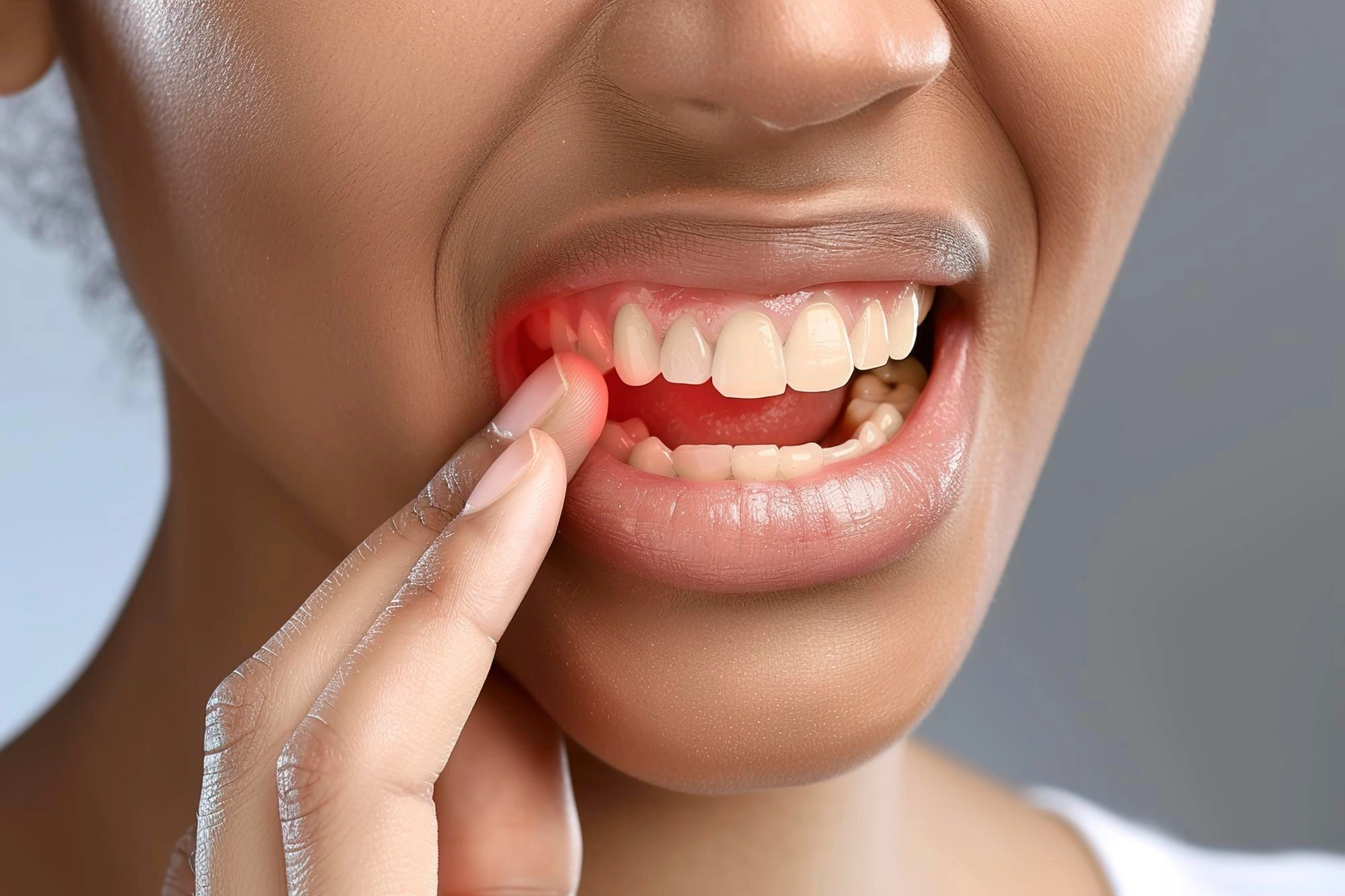
Why Gum Health Is Closely Connected to Your Overall Health
It may surprise you to learn that your mouth is home to more than 700 types of bacteria. While that might sound alarming, most of these bacteria are completely normal and harmless. In fact, they naturally live in your mouth and usually coexist without causing problems.
Your gums play an important role in keeping your body healthy. Think of them as a protective barrier. When your gums are healthy, they help prevent harmful bacteria from entering your bloodstream. However, when gum disease causes your gums to become inflamed or infected, the protective barrier is weakened. As a result, bacteria can enter the bloodstream and travel to other parts of the body.
Research continues to show that gum health is not just about your teeth. It is closely linked to your overall health and may affect major organs and systems, including your heart and brain. That is why taking care of your gums is not only important for a healthy smile, but also for your general well-being.
Maintaining good oral hygiene and scheduling regular dental check-ups can help keep your gums healthy and protect your body in the long run.
How Gum Problems Begin
When gums are not properly cared for, plaque begins to build up along the gumline. Plaque is a sticky layer of bacteria that forms on your teeth every day. If it is not removed through brushing, flossing, and regular dental cleanings, it can irritate your gums.
This irritation leads to inflammation, which is your body’s natural response to infection. In small amounts, inflammation helps your body heal. However, when it becomes ongoing (chronic), it can start to damage healthy tissue.
Over time, chronic gum inflammation can weaken the tight seal between your teeth and gums. When this protective barrier breaks down, harmful bacteria can enter your bloodstream. From there, they can travel to other parts of your body. This process is often painless and invisible, which is why many people do not realize it is happening.
Medical experts now believe that this constant spread of bacteria and inflammation may contribute to several serious health conditions. It can also place your immune system under long-term stress, making it harder for your body to function at its best.
Your Heart Health May Be at Risk
One of the most concerning links is between gum disease and heart health. Research has found that certain harmful oral bacteria, including Porphyromonas gingivalis, have been detected in clogged arteries. This suggests a direct connection between gum infections and cardiovascular disease.
When bacteria enter the bloodstream, they can contribute to inflammation in the blood vessels. Inflamed vessels may narrow or become blocked, increasing the risk of heart attack or stroke.
Your body may also respond by producing substances such as C-reactive protein, which is a marker of inflammation. High levels of this protein are often associated with an increased risk of heart disease.
When blood vessels become inflamed or narrowed, your heart must work harder to pump blood throughout your body. Over time, this added strain can affect your overall cardiovascular health.
The Challenging Connection Between Gum Disease and Diabetes
If you have diabetes, taking care of your gums is especially important. Gum disease and diabetes are closely connected, and they can make each other worse.
When blood sugar levels are high, it becomes easier for infections to develop, including those in the gums. High blood sugar can weaken your immune system, making it harder for your body to fight off bacteria in the mouth. As a result, people with diabetes are at a higher risk of developing gum disease.
The connection does not stop there. Gum disease can also make diabetes more difficult to manage. Ongoing infection and inflammation in the gums can increase insulin resistance, which means your body has a harder time using insulin effectively. This can cause blood sugar levels to rise even further.
Many patients notice that after receiving proper treatment for gum disease, their blood sugar levels become easier to control. This highlights an important point: maintaining healthy gums is not just about oral care; it is also an essential part of managing diabetes and supporting overall metabolic health.
If you have diabetes, regular dental check-ups, good daily oral hygiene, and early treatment of gum problems can make a meaningful difference in your long-term health.
Gum Health and Lung Infection:
Every time you breathe, air passes through your mouth. If harmful bacteria are present due to gum disease, they can be inhaled into your lungs. This may increase the risk of respiratory infections such as pneumonia.
For individuals who already have lung conditions like Chronic Obstructive Pulmonary Disease (COPD), poor oral health can make symptoms worse. The bacteria and inflammation from infected gums may add extra stress to the respiratory system.
Keeping your gums healthy helps reduce the number of harmful bacteria in your mouth — and may help protect your lungs as well.
Pregnancy and Gum Health
During pregnancy, hormonal changes can make gums more sensitive and prone to inflammation. This condition is often called pregnancy gingivitis. Gums may appear red, swollen, or bleed easily.
If gum inflammation becomes severe and is left untreated, it may increase the risk of complications such as premature birth or low birth weight. Inflammation in the body can affect more than just the mouth, which is why dental care is an important part of prenatal health.
Regular dental visits during pregnancy are safe and strongly recommended. Taking care of your gums is one more way to help support a healthy pregnancy.
Gum Disease and Brain Health
Recent research has begun exploring the possible link between gum disease and brain health. Studies suggest that long-term inflammation in the body, including inflammation caused by gum infections, may play a role in cognitive decline.
Some research has found oral bacteria in the brain tissue of patients with Alzheimer’s disease. While studies are still ongoing, scientists believe that chronic inflammation may contribute to changes in the brain over time.
Although more research is needed, maintaining good oral hygiene may be one important step in protecting cognitive health as we age.
Taking Control of Your Gum Health
The good news is that protecting your gums does not have to be complicated. A few simple daily habits can make a big difference.
Brushing your teeth twice a day is essential, but brushing alone is not enough. Flossing is especially important because it removes plaque and food particles from between your teeth, areas your toothbrush cannot fully reach. This helps protect the delicate space where your teeth and gums meet.
Regular professional cleanings are also key. Even with excellent brushing and flossing, plaque can harden into tartar (calculus), which cannot be removed at home. A dental professional can safely remove this buildup and help prevent gum disease.
Your lifestyle choices matter too. Limiting sugary foods and drinks helps reduce the bacteria that cause plaque. If you smoke, quitting is one of the best things you can do for your gums. Smoking reduces blood flow to gum tissue, weakens healing, and significantly increases the risk of gum disease.
If your gums bleed when you brush or floss, do not ignore it. Bleeding is often an early sign of gum inflammation. It is your body’s way of signalling that something needs attention. The earlier gum problems are treated, the easier they are to reverse.
Conclusion: Your Mouth Is a Mirror of Your Health
It is time to stop thinking of the dentist as someone who only treats teeth. Your mouth reflects what is happening in the rest of your body.
Spending just a few minutes each day caring for your gums may be one of the most valuable investments you can make in your overall health. Healthy gums can help support your heart, lungs, brain, and metabolic health. Ignoring chronic infection and inflammation in the mouth can place unnecessary strain on your entire body.
You cannot have a truly healthy body without a healthy mouth. By making oral hygiene a priority and keeping up with regular dental visits, you are not just protecting your smile, but also supporting a longer, healthier, and more vibrant life.
Published on: March 6, 2026

Medically Reviewed by
Dr. Deepak Victor, Orthodontist
20+ Years Experience
MDS (Orthodontics & Dentofacial Orthopedics), Master's Program (Lingual Orthodontics)
Book Appointment