Dry Mouth: Causes, Symptoms, and Treatment Options
Introduction
There’s a moment many people don’t forget waking up in the morning and wondering why their mouth feels like cotton. No saliva, tongue sticking to the roof of the mouth, and that odd rough feeling that makes swallowing uncomfortable. We see this often at Dr. Deepak Victor’s clinic, and most patients say the same thing:
“I thought it was nothing… until it started bothering me every day.”
Dry mouth isn’t just a small irritation. When your mouth stays dry for too long, it changes the way you speak, eat, taste food, and even how your breath smells. More importantly, it can slowly affect your teeth and gums. Understanding why it happens is the first step toward getting relief.
Why Does Dry Mouth Happen?
Dry mouth shows up when the salivary glands take a break when they shouldn’t. And that can happen for several reasons sometimes obvious, sometimes not so much.
A very common trigger is medication. People who start a new tablet for allergies, anxiety, blood pressure, or even simple pain relief often notice their mouth feeling drier than usual. They don’t connect the two immediately, but once the dryness becomes constant, the link becomes clear.
Dehydration is another simple but overlooked cause. A long day outdoors, too much caffeine, or not drinking enough water especially in a city like Chennai can dry the mouth out very quickly.
Stress also plays a quiet role. When someone is anxious, the body shifts into “fight or flight” mode, and saliva production naturally slows. Many patients say their dryness worsens on days when they are tense or not sleeping well.
Certain health conditions also influence saliva flow diabetes, thyroid issues, autoimmune diseases, and people undergoing radiation treatment around the head or neck area. These cases need careful evaluation because the dryness tends to be more persistent.
Smoking, vaping, or even the habit of breathing through the mouth, especially while sleeping, will worsen dryness too.
What It Feels Like
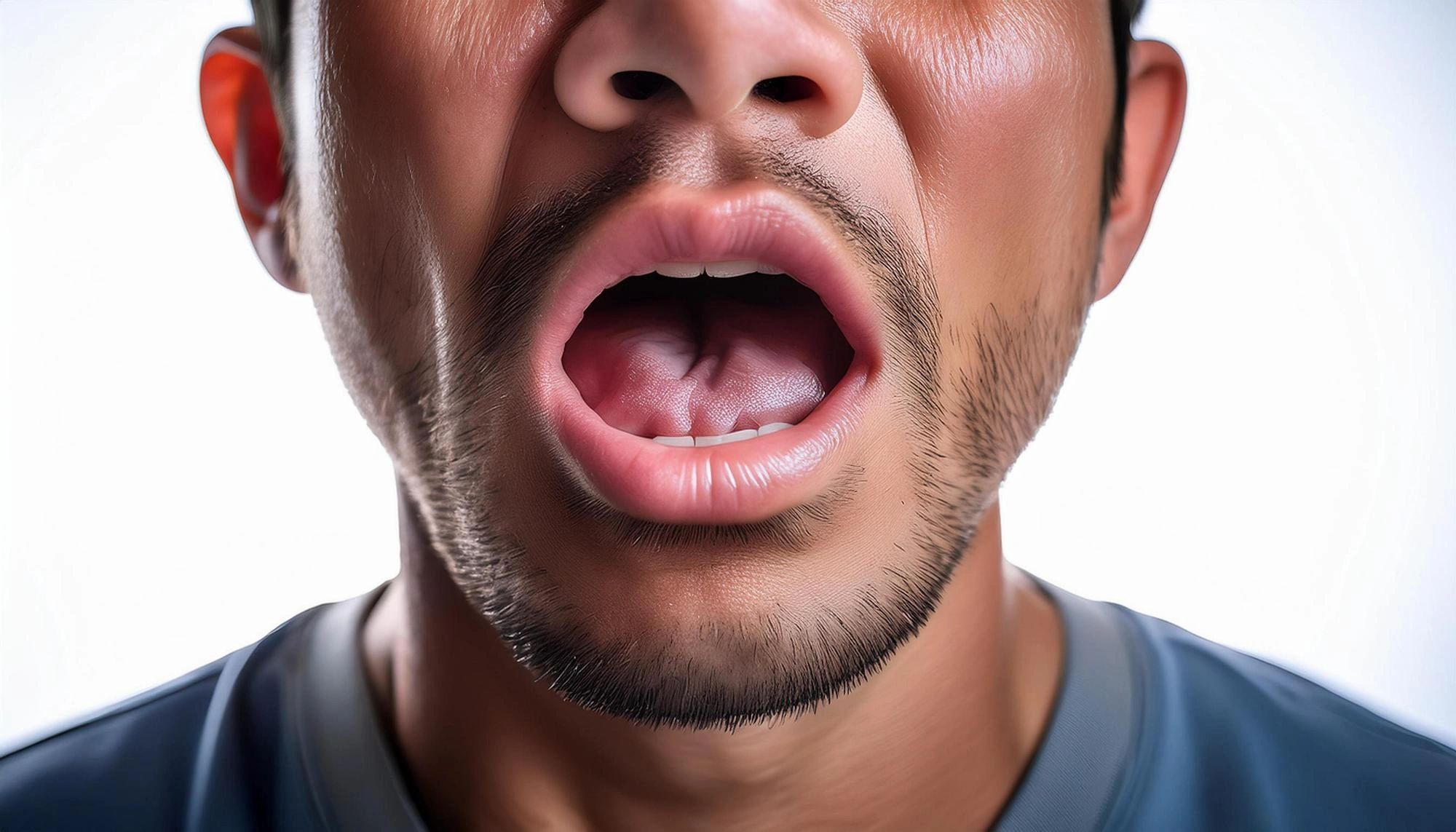
Dry mouth doesn’t feel the same for everyone. Some people simply feel thirsty more often. Others describe it as a sticky, pasty sensation that doesn’t go away even after drinking water.
You might notice:
- Your tongue feels dry or rough
- Mouth feels tired easily while talking
- Bad breath even after brushing
- Cracks at the corners of the lips
- A burning or tingling sensation
- Difficulty tasting food
For some, it becomes harder to swallow dry foods like biscuits or bread. A few people say they wake up several times at night just to sip water. When these little things start adding up, daily comfort takes a hit.
Why You Shouldn’t Ignore It
This is the part most people don’t realize saliva is the body’s natural protective shield. It washes away food particles, balances acids, and slows the growth of harmful bacteria.
When saliva dries up, your teeth are suddenly left unprotected. Plaque builds faster, cavities form more easily, gums get irritated, and infections become more common. Even the simplest tasks like wearing dentures can become uncomfortable.
Dry mouth isn’t always dangerous, but ignoring it for months or years can definitely cause long-term dental problems.
What Helps (Simple Things First)
Most patients are relieved to know that the first steps to managing dry mouth are very simple. Drinking water more consciously throughout the day makes a noticeable difference. It sounds basic, but many people genuinely forget to hydrate.
Keeping a water bottle nearby and sipping small amounts frequently is far more helpful than drinking large amounts only when thirsty.
Chewing sugar-free gum or sucking on sugar-free lozenges encourages the glands to make more saliva naturally. Xylitol-based ones are especially helpful.
Humidifiers at night help people who sleep in air-conditioned rooms or breathe mainly through the mouth. A little moisture in the room air prevents that cracking dryness you feel in the morning.
Cutting down on caffeine, soft drinks, and alcohol also helps balance the mouth again.
For smokers, reducing or quitting makes a huge improvement in mouth dryness as well as overall oral health.
When You Need Professional Help
Sometimes dryness is too persistent to manage with home measures alone. That’s when a dental evaluation becomes important.
At Dr. Deepak Victor’s clinic, the first step is understanding the cause whether it’s medication, a health condition, or decreased gland activity. Once that’s identified, treatment becomes more personalised.
Some patients benefit from saliva substitutes that mimic natural moisture. Others need prescription gels or mouth rinses to protect the teeth from cavities caused by dryness.
If someone has a systemic condition like diabetes or thyroid imbalance, coordinating with their physician helps stabilise the underlying issue, which in turn improves oral dryness.
Regular dental check-ups also become essential because dry mouth increases the risk of decay. Protecting enamel with fluoride applications or varnishes prevents future problems.
Everyday Tips That Make Recovery Easier
People who manage dry mouth successfully usually follow a few simple habits:
- Keep a bottle of water wherever they go
- Choose soft or moist foods when dryness feels intense
- Avoid spicy or salty meals that irritate the mouth
- Prefer alcohol-free mouthwashes
- Include fresh fruits like watermelon, oranges, and cucumbers
- Rinse with water after every snack
Small adjustments, done consistently, become more effective than any one-time remedy.
Conclusion
Living with a dry mouth can be frustrating, especially when it affects your routine, your comfort, and your confidence. The good news is that most cases can be eased with the right guidance and simple changes.
If the dryness has been troubling you often or if you suspect it’s linked to medication or a health issue, a proper dental evaluation is the safest step forward.
To understand what’s causing your dry mouth and to find the right treatment, book an appointment with Dr. Deepak Victor today.
Published on: December 30, 2025

Medically Reviewed by
Dr. Deepak Victor, Orthodontist
20+ Years Experience
MDS (Orthodontics & Dentofacial Orthopedics), Master's Program (Lingual Orthodontics)
Book Appointment