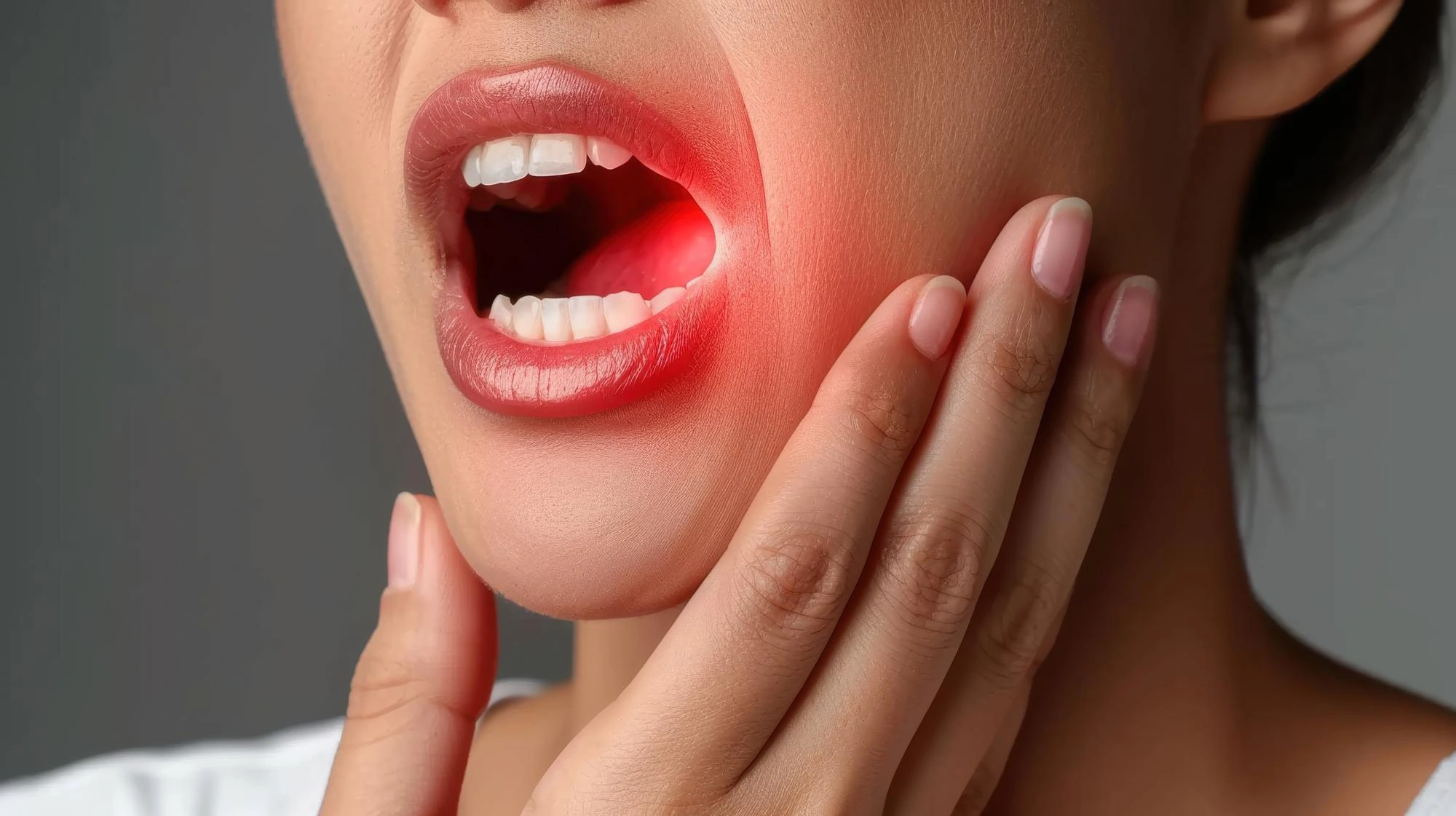
Causes and prevention of Toothache
A toothache might seem like a small problem at first, but if you’ve ever experienced one, you know how quickly it can take over your day. Whether it’s a dull throb that lingers or a sharp sting that catches you off guard, tooth pain can make eating, talking, and even sleeping difficult. But the truth is, toothaches don’t usually appear out of nowhere — they are often a sign that something isn’t right inside your mouth. Understanding why toothaches happen and how to prevent them can save you from discomfort and future dental problems.
What Causes Toothaches?
The most common reason behind tooth pain is tooth decay. This starts when bacteria in your mouth feed on the sugars and starches left behind from food. Over time, these bacteria produce acids that wear away the tooth’s protective enamel. Once this layer is weakened, the inner part of the tooth, called the dentin, becomes exposed. This is when the pain usually starts, especially when eating hot, cold, or sweet foods.
Another frequent cause of toothaches is gum disease. Healthy gums act like a protective cushion around your teeth. But when plaque builds up along the gumline and hardens into tartar, it leads to gum inflammation known as gingivitis. If left untreated, gingivitis can develop into periodontitis — a serious infection that damages the tissues and bones supporting your teeth, leading to pain, bleeding, and even tooth loss.
Sometimes, the pain isn’t caused by decay or gum disease. A cracked or broken tooth can expose the nerve endings, which makes the tooth sensitive to pressure, air, and temperature changes. Similarly, if you have a dental abscess — an infection that forms at the root of a tooth — you may experience severe, throbbing pain, along with swelling and sometimes fever.
Interestingly, tooth pain can also be linked to problems outside the mouth. A sinus infection can create pressure in the upper jaw, making your teeth feel sore even though they aren’t damaged. Wisdom teeth can also cause pain if they don’t have enough space to emerge, pushing against other teeth and creating discomfort.
How to Prevent Toothaches
The best part about toothaches is that most of them are preventable. Simple habits can make a huge difference in keeping your teeth strong and pain-free.
The foundation of dental health is a good oral hygiene routine. Brushing your teeth twice a day with fluoride toothpaste helps remove food particles and plaque, while flossing clears out debris from between your teeth where a toothbrush can’t reach. This helps prevent the buildup of bacteria that lead to cavities and gum disease.
Your diet also plays a key role. Sugary and sticky foods, along with acidic drinks like soda, weaken your enamel and give bacteria the perfect environment to grow. Limiting these and instead choosing tooth-friendly foods like dairy products, leafy greens, nuts, and crunchy fruits can protect your teeth naturally.
Water is another powerful tool for oral health. Drinking water after meals can help rinse away leftover food and bacteria. If your local water supply has fluoride, that’s an added bonus for strengthening enamel.
And of course, don’t skip your dental check-ups. Even if your teeth feel fine, dentists can spot small issues before they turn into major problems. Routine cleanings remove tartar buildup and allow your dentist to examine your gums, enamel, and bite for early warning signs.
For those who grind their teeth at night or play contact sports, wearing a mouthguard can prevent damage. Protecting your teeth now means fewer treatments and less pain later.
When Should You See a Dentist?
While some minor tooth sensitivity can come and go, a toothache that lasts longer than a day or two should never be ignored. Persistent pain often signals something deeper — like an infection, decay, or injury — that needs professional care.
Other signs that call for a dentist visit include swelling, redness, fever, trouble chewing, and bleeding gums. The earlier you address the problem, the easier and less expensive the solution usually is.
Conclusion
A toothache is your body’s way of telling you that your teeth need attention. Most of the time, the causes are preventable through simple daily habits like brushing, flossing, eating well, staying hydrated, and seeing your dentist regularly.
A healthy mouth not only protects you from pain but also supports your overall well-being. So take care of your teeth today — your future self (and your smile) will thank you for it!
Published on: August 8, 2025

Medically Reviewed by
Dr. Deepak Victor, Orthodontist
20+ Years Experience
MDS (Orthodontics & Dentofacial Orthopedics), Master's Program (Lingual Orthodontics)
Book Appointment